A trading system gets dangerous the moment one component starts doing everything.
If the same logic generates the signal, approves it, sizes it, and tracks the risk, you do not have a control plane. You have a confidence machine. It feels efficient right up until it blows through a boundary you forgot was load-bearing.
The fix is not more complexity. It is cleaner separation.
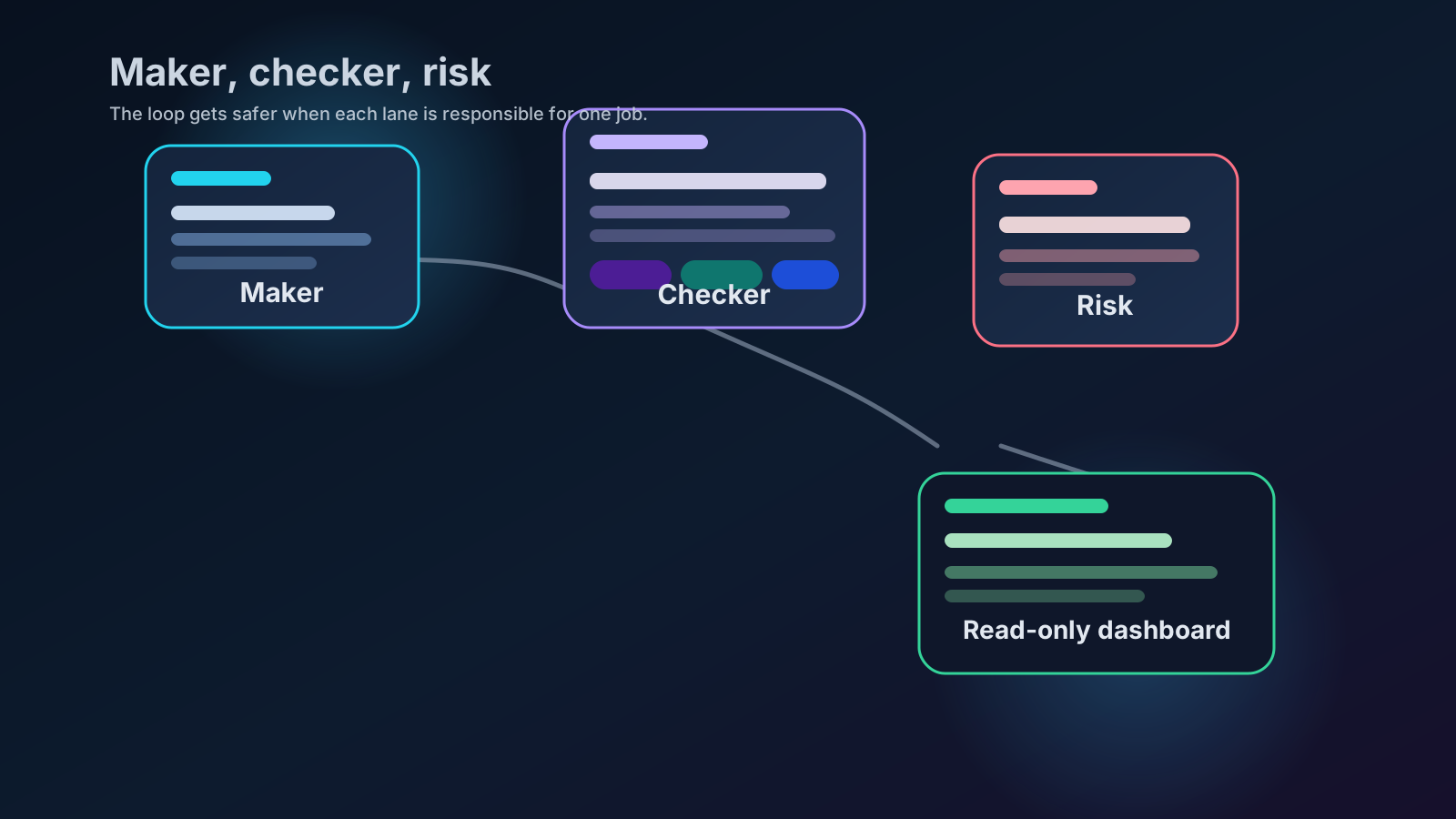
We split the loop into three lanes: maker, checker, and risk. Then we put the dashboard on a read-only track so the system can show its state without touching execution.
Maker: signals only
The maker is the scout.
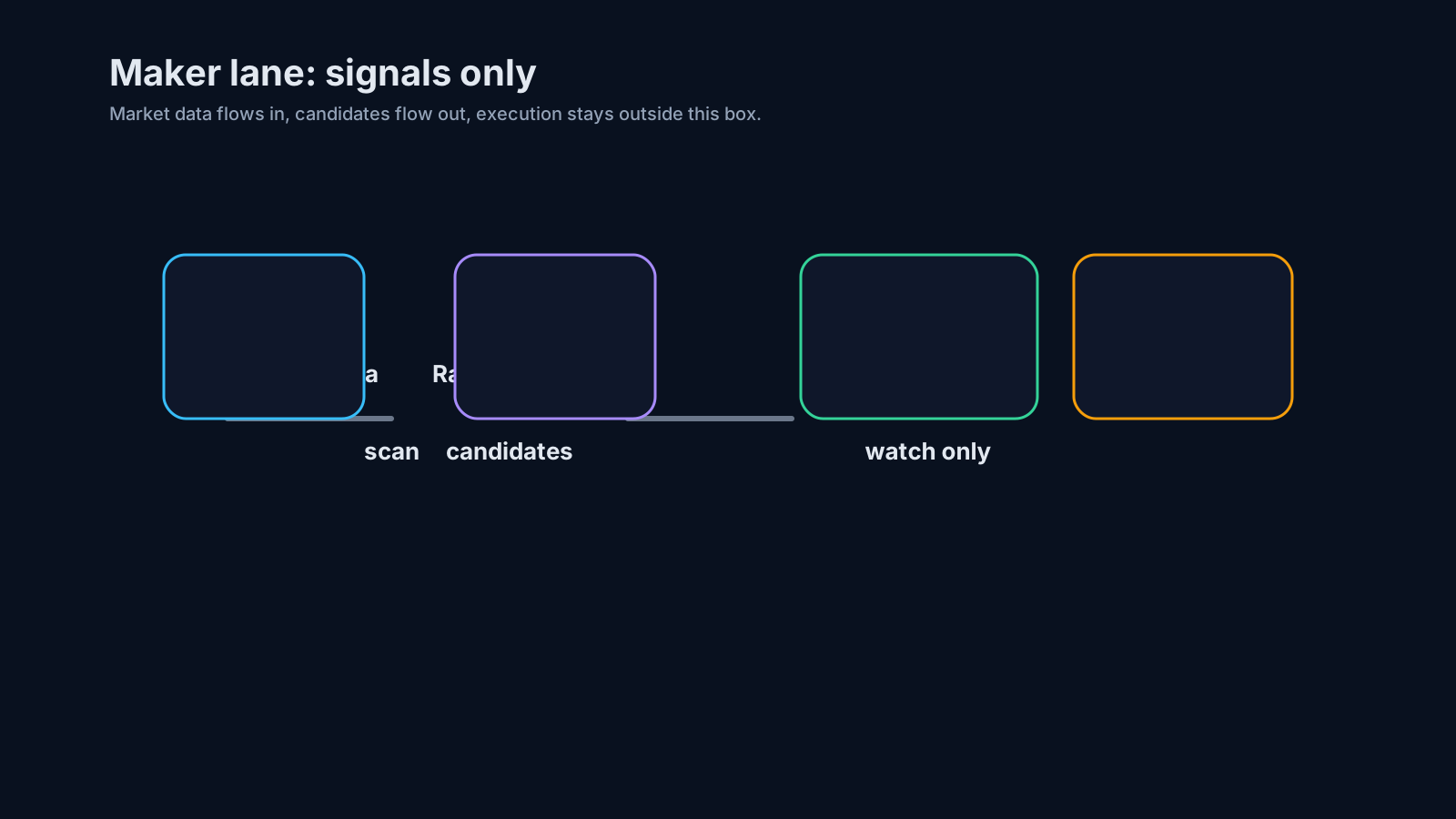
Its job is to scan the market, rank what looks interesting, and write down candidates. Nothing more.
That boundary matters because a signal is not a trade. A good maker can say:
- this equity setup looks clean
- this crypto candidate is worth watching
- this idea needs more evidence before anyone acts on it
That restraint is the whole point.
When the maker stays in its lane, the rest of the loop can make better decisions with less noise.
Checker: prove it before it moves
The checker is the skeptic.
It reads the candidate list and asks the annoying questions:
- does the setup still hold after the spread changes
- is the price sane
- is the system in the right mode
- is the candidate actually allowed through policy
- are we about to confuse a watch signal with permission to trade
That separation is what keeps the loop honest.
The checker should not be impressed by the maker’s confidence. It should be bored, repetitive, and exact.
That is a feature, not a flaw.
Risk: the last gate
Risk is not a vibe and it is not a side note.
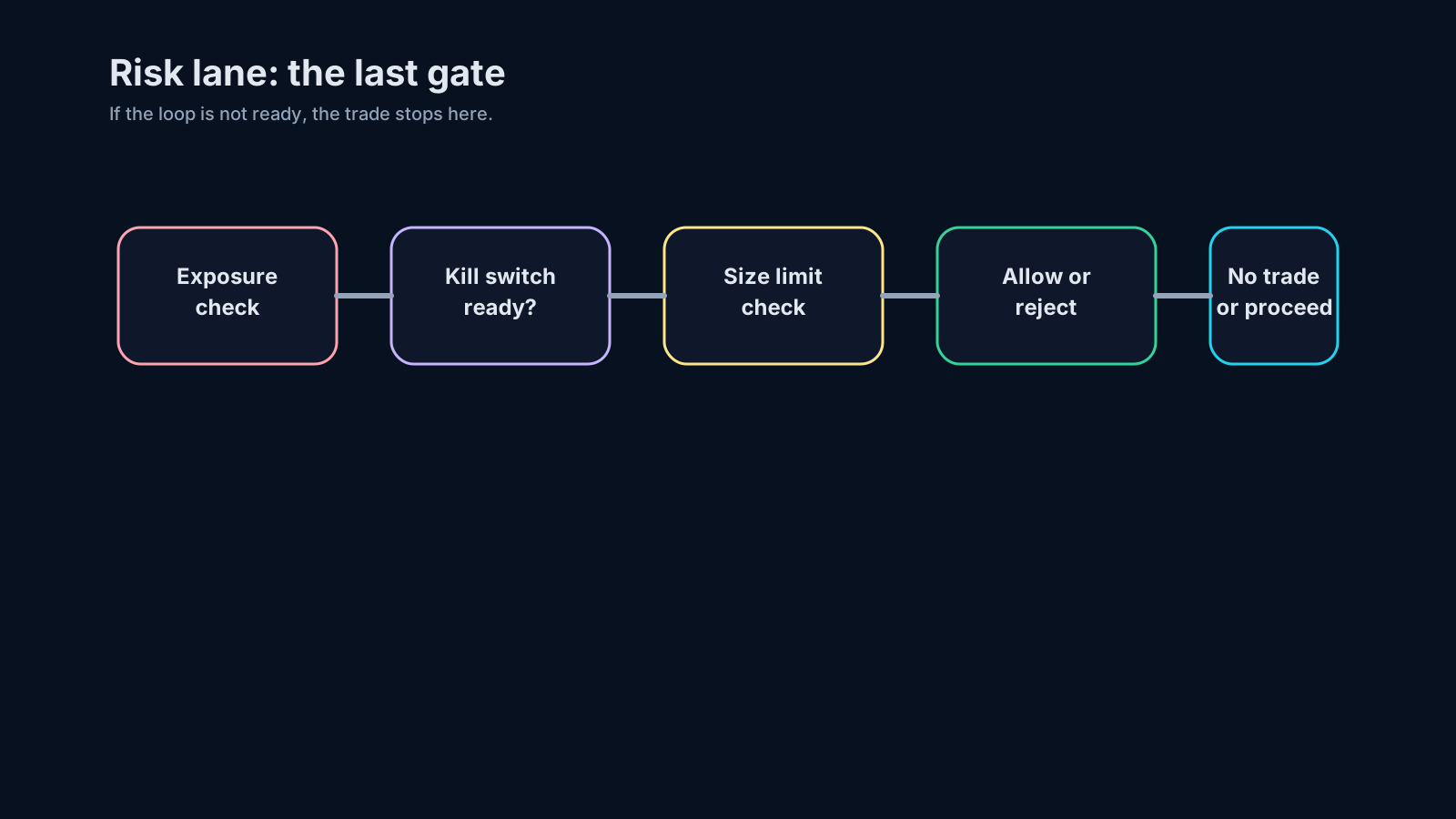
It is a separate lane that can say no.
That means:
- enforcing exposure limits
- refusing trades when the system is not ready
- keeping a kill switch in the path
- making sure the dashboard stays read-only
- preventing the system from drifting from paper into accidental execution
If maker is “what looks good” and checker is “what survives review,” risk is “what is still allowed to happen.”
That last question matters more than the others.
Why the dashboard is read-only
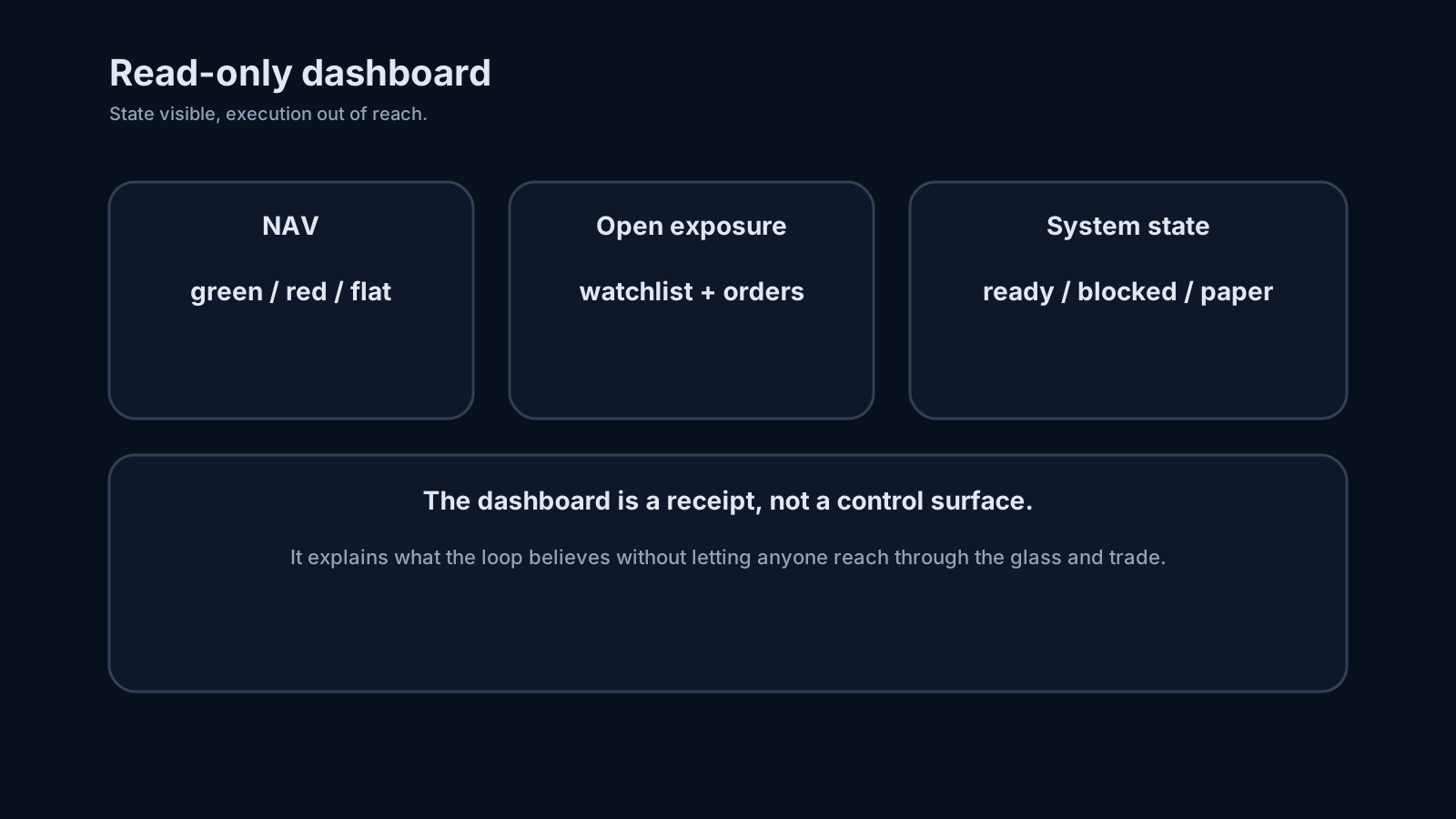
The dashboard should explain the system, not become the system.
That is why the read-only view matters so much. It gives us the state without giving us accidental control. You can inspect it, share it, snapshot it, and review it without worrying that a click or a bug will place a trade.
The dashboard now needs to answer the boring but important questions quickly:
- what the current state is
- whether the loop is ready
- whether anything is open
- whether the latest decisions were green or red
- whether the system is behaving like a lab or pretending to be one
That is the difference between a control surface and a control plane.
What this setup changed
The biggest change is not technical flash. It is clarity.
Once the roles are separated, the loop becomes easier to debug:
- the maker can be wrong without taking everything down
- the checker can reject candidates without drama
- the risk lane can stay strict without making the whole system brittle
- the dashboard can tell the truth without touching execution
That gives us a cleaner paper-trading loop and a better foundation for anything that comes after.
It also makes the daily reporting more useful. Instead of a vague “here’s what happened,” the report can show how the signal was formed, what survived review, and what the risk gate allowed through.
What we are optimizing for
We are not optimizing for maximum trade count.
We are optimizing for a loop that is legible, bounded, and hard to misuse.
That means the system should be able to say:
- not enough evidence
- candidate only
- checker rejected it
- risk blocked it
- dashboard updated, no action taken
That is a good system. Not because it sounds impressive, but because it is hard to fool.
Where it goes next
The next step is to keep tightening the visuals and the reporting so the loop is obvious at a glance.
I want the blog and the dashboard to show the same thing from two angles:
- the blog explains the design
- the visuals make the structure visible
- the dashboard shows the current state
- the report tells the truth about the run
That combination is what makes the setup useful.
A trading loop should not feel like magic. It should feel like a well-lit room.
That is what this split is for.