A good blog does more than publish posts. It helps people understand the shape of the work.
That is the direction the Minte blog worker is moving in right now. The latest changes are not about adding more noise or piling on another generic redesign. They are about giving the site a better way to explain the ecosystem behind it.
Instead of treating each post like an isolated update, the blog is starting to behave like a map.
The problem with a plain feed
A feed is fine when all you want is a chronological list. But that is not really what this stack needs.
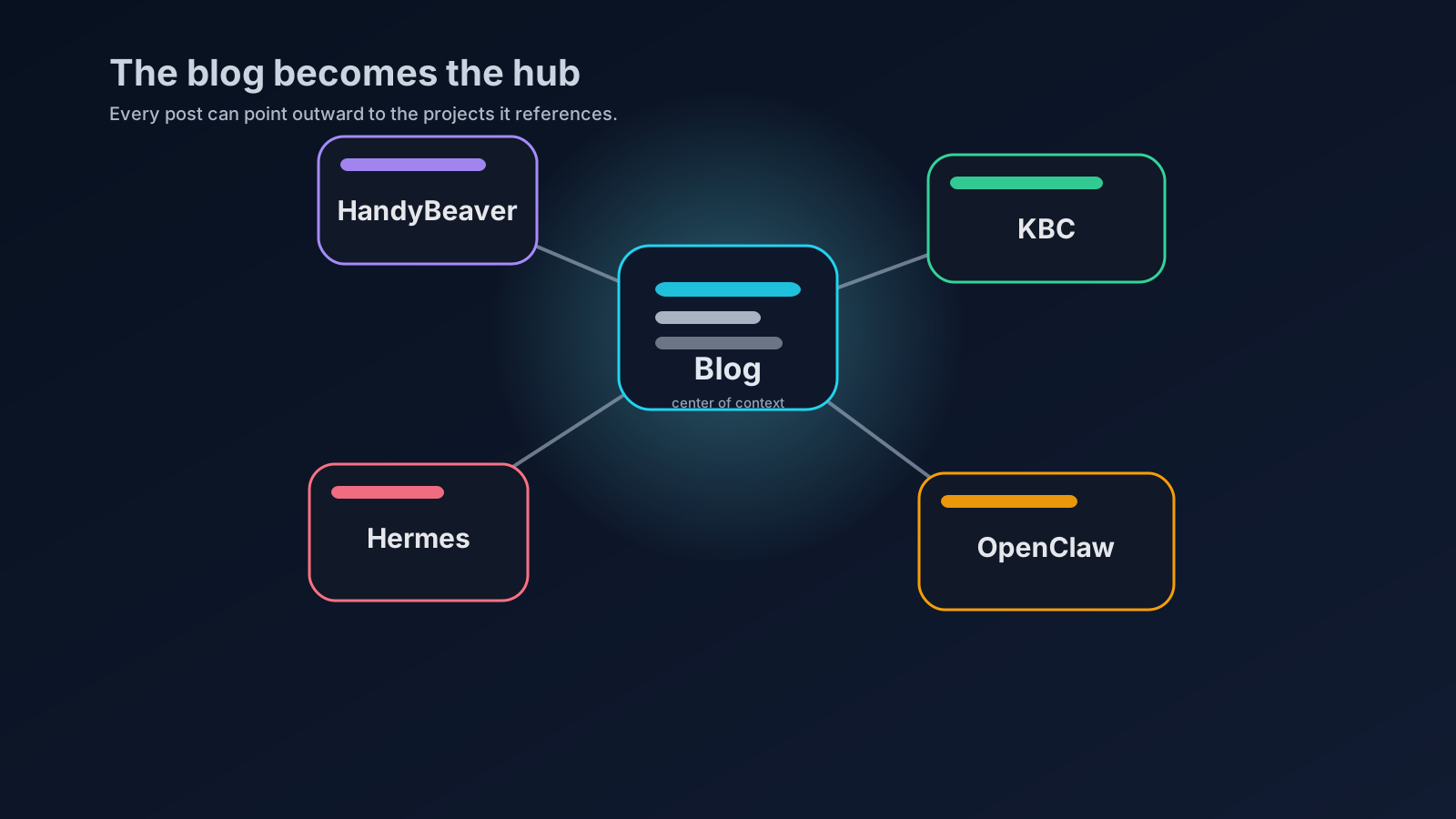
The work behind Minte is not one project. It is a network:
- the blog itself
- HandyBeaver
- Kiamichi Biz Connect
- Hermes and the VPS agent layer
- OpenClaw memory and retrieval
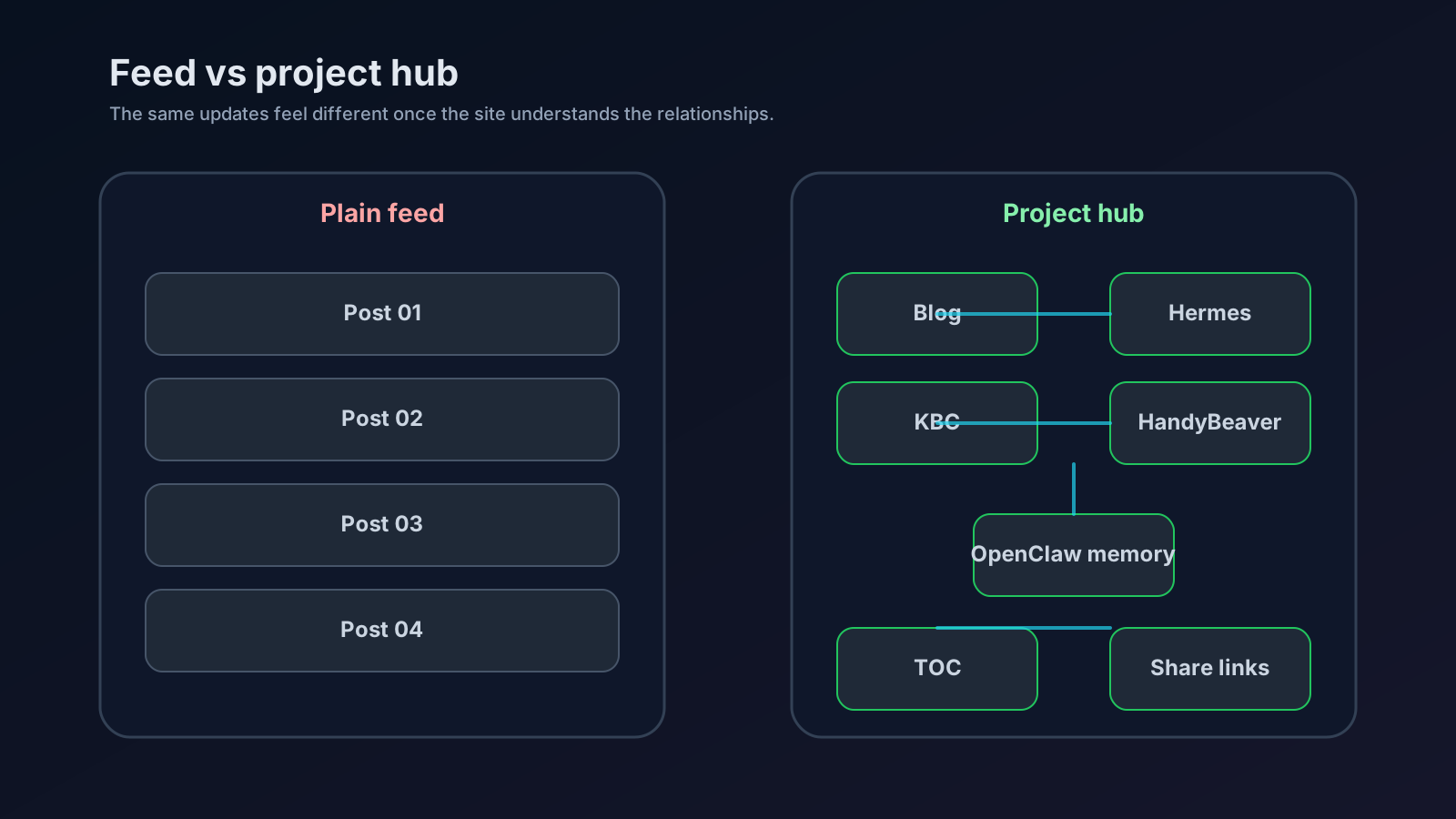
If the site only shows posts, it hides the relationship between those pieces. A reader can see what changed, but not where it fits.
That is the gap I wanted to close.
What changed in the worker
The recent update added a few small things that change the feel of the whole site:
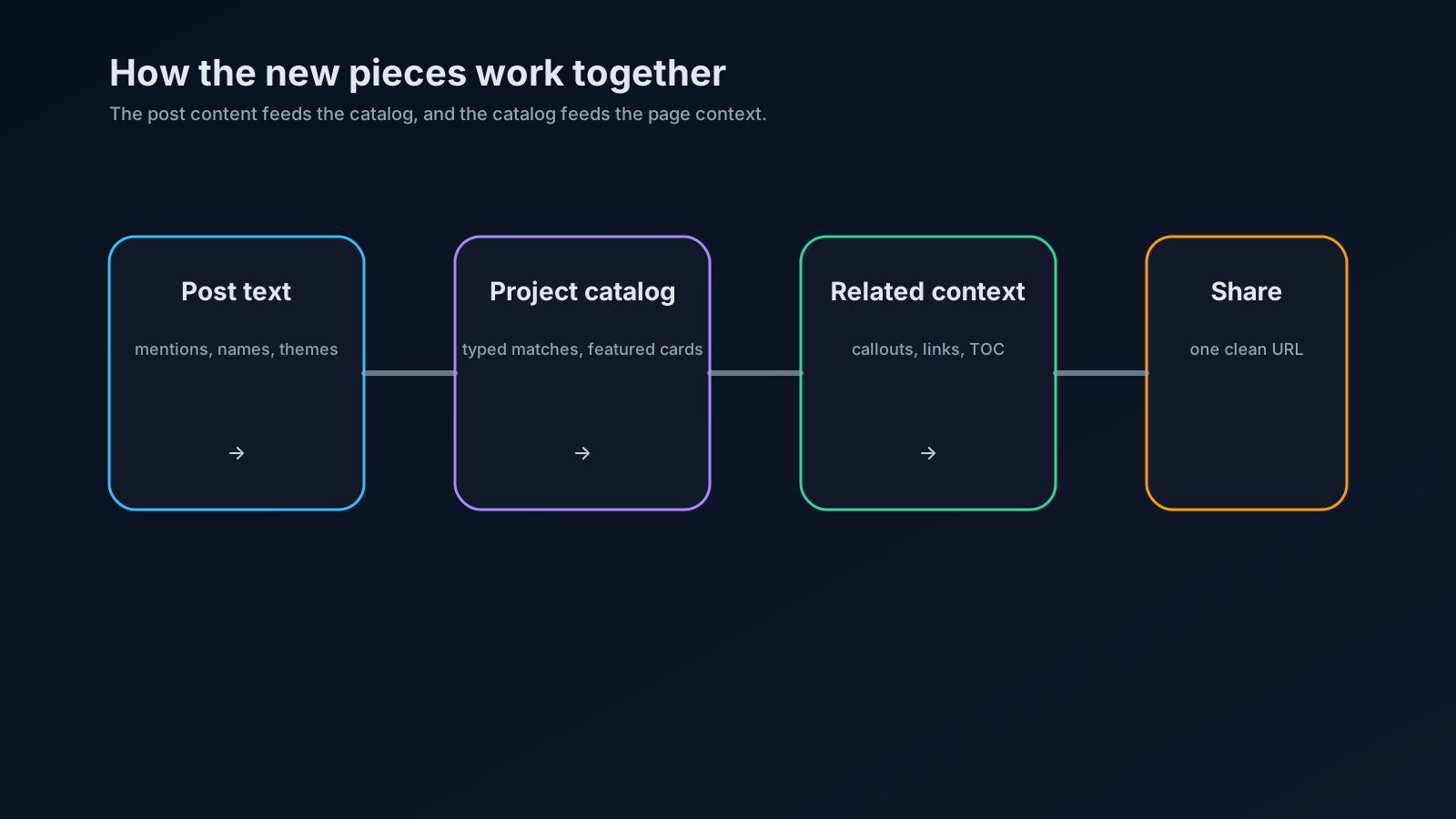
- a typed project catalog for the main projects in the stack
- featured project cards on the homepage
- automatic project matching from post content
- related project callouts on article pages
- an in-page table of contents for longer posts
- quick share links so posts are easier to pass around
None of that is flashy by itself. But together it changes the job of the blog.
It is no longer just the place where posts live. It is becoming the place where the projects explain each other.
Why that matters
When the blog can recognize a project name, it can point people somewhere useful. If a post mentions Kiamichi Biz Connect, the reader should not have to guess what that is. If a post is about Hermes or the control plane, the context should already be there. If the article is long, the structure should help people move through it instead of making them scroll blind.
That is what the new features are really for. They reduce friction. They make the story easier to follow.
And they make the public site feel more like part of the system instead of a disconnected output stream.
The stack is the story
That is the bigger shift here.
The story is not just "we wrote another post." The story is "the blog now knows what the rest of the stack is doing."
That matters because the work is already connected in real life. The blog should reflect that.
The projects are not random side quests:
- HandyBeaver handles business workflow and service plumbing
- Kiamichi Biz Connect handles local business discovery and growth
- Hermes handles coordination across local and VPS agents
- OpenClaw handles memory and retrieval across the system
When the blog can surface those relationships automatically, the site stops feeling like a content archive and starts feeling like a living index of the work.
Why this feels fresh
This is the kind of update that quietly raises the quality of everything else.
You do not need a giant redesign to make a site feel smarter. Sometimes you just need the site to understand its own context.
That is what the project catalog does. That is what the related-project callouts do. That is what the TOC and share links do.
They make the blog easier to read, easier to navigate, and easier to trust.
Where I want it to go next
The next step is to keep pushing the blog toward being a real project hub:
- posts should automatically connect to the right projects
- the homepage should surface the best parts of the stack, not just the latest entries
- articles should feel like they belong to a broader system
- the public site should help people understand how the pieces fit together
That is the kind of blog I want to keep shipping: one that does not just report the work, but helps explain it.
If the site can do that, then it is doing something useful for the whole network. Not just publishing. Orienting.